After Hundreds of Tesla Installations, These Are the First Areas to Chip
"When you protect as many Teslas as we do, patterns begin to emerge. We don't have to guess where a Tesla will get damaged; we see the exact same rock chips, in the exact same locations, week after week. If you drive a Tesla in Southern California, it's not a matter of if your paint will chip—it's a matter of when."
— Nicholas Allen, Founder, CDA Auto Styling
The Reality of Tesla Paint in Southern California
At CDA Auto Styling, we have installed Paint Protection Film (PPF) on hundreds of Teslas. From brand-new Model Ys rolling straight from the delivery center in Riverside to high-mileage Model S Plaids commuting across the Inland Empire, we have seen it all.
Tesla's engineering is undeniably revolutionary, but their paint quality remains a highly debated topic. Due to California's strict environmental regulations, Tesla utilizes water-based, low-VOC paints. While better for the environment, these paints cure softer and thinner than traditional solvent-based clears used by European luxury brands.
Combine this soft paint with aerodynamic, flat-front designs and the brutal realities of Southern California freeways (like the 91, 15, and 60), and you have a recipe for rapid paint degradation. Below is our data-driven breakdown of exactly where each Tesla model sustains damage first.
Tesla Model 3 & Model Y: The Daily Drivers
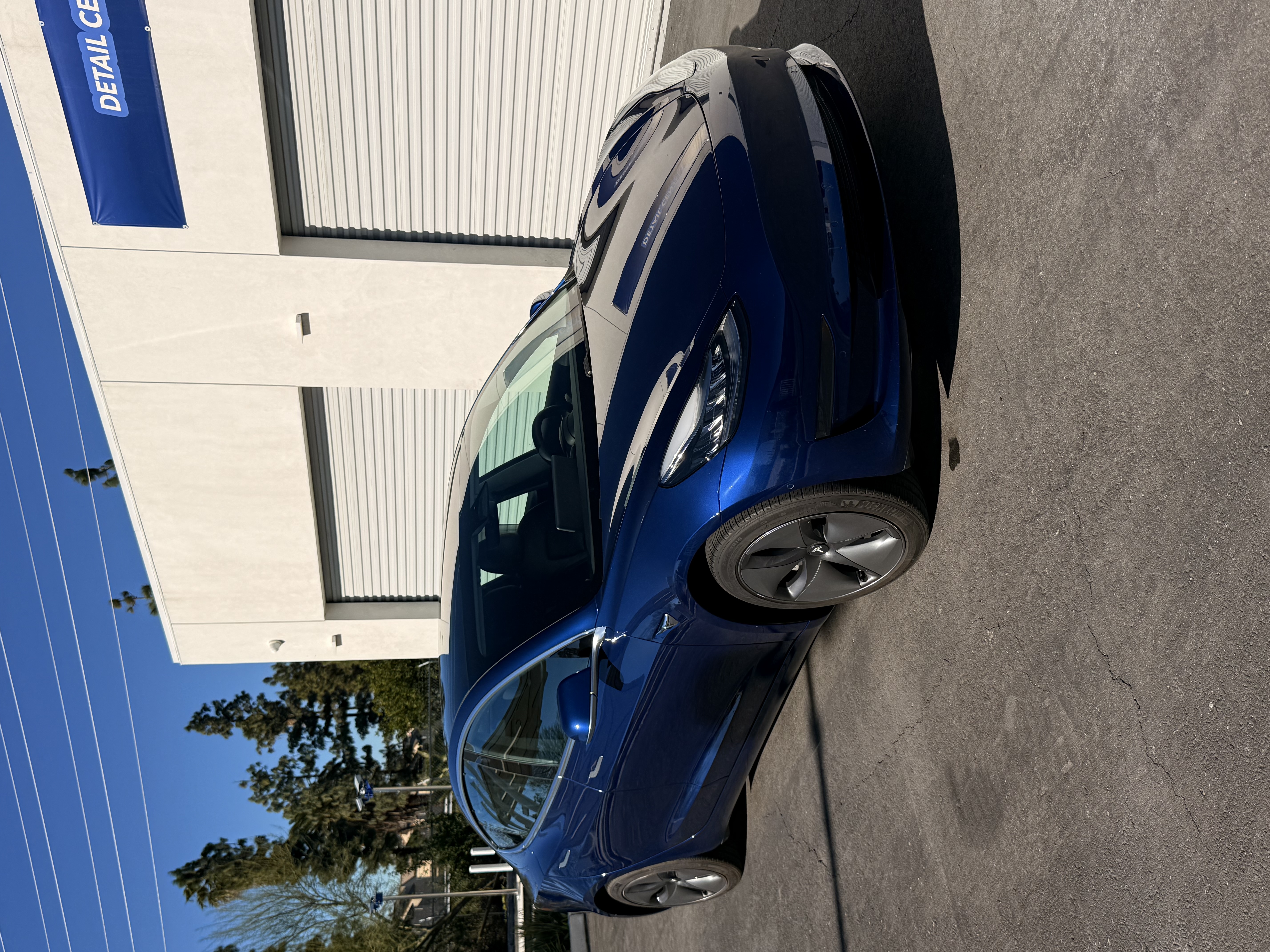
The Model 3 and Model Y share a very similar design language, and consequently, they share the exact same vulnerabilities. These are the most common vehicles we see, and the damage patterns are incredibly consistent.
1. The Flat Front Bumper (The Debris Catcher)
Unlike a traditional gas-powered car that features a large plastic or metal grille to allow airflow to the radiator, the Model 3 and Model Y feature a massive, smooth, painted front bumper. Aerodynamically, it’s brilliant. Practically, it acts as a giant catcher's mitt for every rock, pebble, and piece of construction debris kicked up on the freeway.
Observation: We regularly see unprotected Model 3s and Ys with dozens of micro-chips on the front bumper within the first 3,000 miles of ownership. On darker colors (Black, Midnight Silver Metallic, Deep Blue), these chips expose the white primer underneath, making the vehicle look like it’s covered in white speckles.
2. The "Sandblasted" Rocker Panels and Rear Doors
This is the vulnerability that catches most owners by surprise. The body of the Model 3 and Y tapers inward slightly behind the front wheels, and then flares back out at the rear doors and rear quarter panels.
Because the front tires sit slightly wider than the lower body line, they act like pitching machines, constantly throwing sand, gravel, and road salt directly backward.
Observation: The lower rear doors and the rocker panels immediately in front of the rear wheels suffer from severe "sandblasting." Over time, the paint in this area doesn't just chip; it becomes dull, rough, and completely stripped of clear coat. Tesla even started offering small, factory PPF patches for this exact area, but they are often too small to provide adequate coverage.
3. The Low-Sloping Hood
Because there is no engine block, the hood of the Model 3 and Y slopes aggressively downward. Rocks that bounce off the road often strike the lower third of the hood at a high-velocity, perpendicular angle.
Model 3 & Y Protection Recommendations
- Minimum Protection: Full Front PPF (Bumper, Hood, Fenders, Mirrors).
- Highly Recommended Add-On: Rocker Panel & Lower Door PPF to stop the sandblasting effect.
- Ultimate Protection: Full Body PPF to protect all painted surfaces, or a Stealth PPF transformation.
Tesla Model S: The Executive Express
The Model S sits lower to the ground than the Y or X, and it is designed for high-speed cruising. The damage profile here is slightly different.
1. The Leading Edge of the Hood
The Model S features a very distinct, sharp leading edge on the hood, right above the "T" emblem. Because of the vehicle's low stance, this edge takes direct, high-velocity impacts. Chips here are highly visible and difficult to touch up cleanly.
2. Side Mirrors
The side mirrors on the Model S protrude significantly. At highway speeds, they are prime targets for bugs and small debris. If bug splatter is left on the soft Tesla clear coat for too long in the Riverside heat, the acidic enzymes will permanently etch into the paint.
Tesla Model X: The Flagship SUV
The Model X is massive, and its vulnerabilities are related to its size and unique features.
1. The Massive Front Fascia
Like the Model Y, the front bumper is a huge target. However, the Model X sits higher, meaning debris thrown by semi-trucks hits the upper bumper and the expansive hood more frequently.
2. Falcon Wing Door Edges
The iconic Falcon Wing doors are incredible, but they present a unique risk. When opening in tight garages or parking lots, the lower edges of the doors are highly susceptible to striking adjacent vehicles or low ceilings. We highly recommend edge guards or full-door PPF to prevent chips on these complex doors.
Tesla Cybertruck: The Stainless Steel Anomaly
The Cybertruck doesn't have paint, but it is far from invincible.
1. Fingerprints and Oil Smudges
The raw 30X stainless steel is an absolute magnet for oils from human hands. Touching the doors leaves highly visible, stubborn smudges.
2. Environmental Etching and Surface Rust
Bare stainless steel reacts poorly to environmental fallout. Hard water spots, bird droppings, and industrial fallout can cause the iron particles on the surface of the steel to oxidize, leading to what looks like surface rust.
Observation: Cybertruck owners are quickly realizing that maintaining bare stainless steel is actually more difficult than maintaining paint. This is why Stealth PPF or Colored PPF is becoming the standard for Cybertrucks—it eliminates fingerprints entirely and provides a protective barrier against chemical etching.
What We Have Learned
The data is clear: if you drive a Tesla in Southern California, the front bumper, hood, and rocker panels will sustain damage. It is a mathematical certainty. Touch-up paint looks terrible, and repainting a Tesla bumper can cost thousands of dollars and diminish the vehicle's resale value.
The most cost-effective solution is proactive protection. At CDA Auto Styling, we use our proprietary Hybrid Wrap Method to seamlessly protect these vulnerable areas before the damage occurs.
Protect Your Tesla TodayRiverside Premium Auto Styling Services
At CDA Auto Styling, we are dedicated to protecting and enhancing your vehicle in the Inland Empire. Whether you commute on the 91 freeway or navigate the streets of Riverside, our premium services ensure your car stays pristine. We offer tailored solutions for every driver, from daily commuters to luxury and exotic vehicle owners.
Explore our specialized services:
- Paint Protection Film (PPF) in Riverside - The ultimate defense against rock chips and road debris.
- PPF Services in Upland - Premium clear bra installations for Upland residents.
- Ceramic Coating Riverside - Long-lasting gloss and hydrophobic protection.
- Ceramic Window Tinting - Beat the Southern California heat with advanced IR rejection.
- Tesla Model Y PPF and Tesla Model 3 PPF - Specialized protection packages for Tesla's unique paint.
- PPF Pricing & Packages - Transparent pricing for partial and full-body wraps.
- Tesla Protection Hub - Comprehensive guides for Tesla owners.
- Paint Protection Film Hub - Everything you need to know about PPF.
Frequently Asked Questions
Why is Paint Protection Film (PPF) necessary in Southern California?
Driving in the Inland Empire exposes your vehicle to intense UV rays, heavy highway debris on the 91 and 15 freeways, and extreme heat. PPF acts as a sacrificial, self-healing barrier that absorbs rock chips and prevents permanent damage to your factory clear coat. Without it, your front bumper and hood are highly susceptible to pitting and sandblasting.
What is the difference between Ceramic Coating and PPF?
Paint Protection Film (PPF) is a thick, physical polyurethane barrier designed to stop rock chips and deep scratches. Ceramic Coating is a liquid nano-ceramic polymer that chemically bonds to the paint, providing extreme gloss, chemical resistance against bird droppings, and hydrophobic properties that make washing effortless. For ultimate protection, we recommend applying PPF to high-impact areas and Ceramic Coating over the entire vehicle.
Do you offer services for Tesla vehicles?
Yes, CDA Auto Styling specializes in Tesla protection. Tesla factory paint is notoriously soft due to California's strict environmental regulations. We offer customized PPF, ceramic coating, and window tinting packages specifically engineered for the unique curves and massive glass roofs of the Model Y, Model 3, Model S, Model X, and Cybertruck.
How long does an installation typically take?
Installation times vary based on the service. A standard Ceramic Coating or partial PPF package typically takes 2 to 3 days, as it requires meticulous paint correction and curing time. Full-body PPF wraps or color-change stealth PPF can take 5 to 7 days to ensure flawless, wrapped edges and perfect alignment.
Enjoyed this read?
Ready to Protect Your Vehicle?
Get a free, no-obligation quote from the Inland Empire's top-rated auto styling experts.
REQUEST QUOTEShare This Post
Categories
- Paint Protection Film Hub
- Tesla Protection Hub
- Paint Protection Film
- Vehicle Appearance Protection Hub
- Ceramic Coating Hub
- Mobile Detailing
Recent Posts
Full Front PPF vs Full Body PPF in Riverside: Which Package Is Worth It?
June 17, 2026Truck Week: Why Full Body PPF Makes Sense for Trucks in the Inland Empire
June 17, 2026Carbon Fiber PPF Hood Special in Riverside: What It Is and Who It's For
June 17, 2026Is Paint Protection Film Worth It for Riverside Drivers?
June 17, 2026
Instant Cost Calculator
Get a real-time estimate for your specific vehicle and protection goals.
1. Select Your Vehicle Type
RELATED ARTICLES
READY TO PROTECT YOUR VEHICLE?
CDA Auto Styling is Riverside's premier destination for high-end Paint Protection Film, Ceramic Coating, and Auto Detailing.